
Home Care Visit Notes: A Best-Practice Guide for Safe, Consistent Documentation
Discover what strong home care visit notes should include, from the participant's environment and preferences to changes in risk, service delivery, and follow-up.
Why Home Care Notes Need Context
Home care documentation is written in a changing environment. Unlike a residential setting, the worker may be visiting a different home, working with family members, and noticing risks that are not visible in a standard care facility.
A useful visit note should help the next worker understand what support was delivered, how the person was on the day, what changed in the home, and what needs to happen next.
Five Elements of a Strong Visit Note
1. Purpose of the visit
State the scheduled service and the agreed goal. This could include personal care, meal preparation, transport, domestic assistance, social participation, or health-related support.
2. Support delivered
Describe the actions completed and the level of assistance provided. Include meaningful details without recording irrelevant or overly personal information.
3. Person's preferences and participation
Record choices and participation. For example, note whether the person selected the meal, chose the activity, directed how tasks were completed, or declined part of the service.
4. Changes and risks
Document any change in mobility, mood, appetite, skin, medication concerns, home safety, equipment, or informal supports. Compare observations with the person's usual presentation.
5. Handover and follow-up
Make the next action clear. Record who was contacted, what was escalated, and what the next worker or coordinator needs to check.
Example Home Care Note
"Arrived at 9:00 AM for meal preparation and community access. John chose vegetable soup and sandwiches from the approved meal plan and participated by washing vegetables while seated. He appeared more breathless walking from the lounge than during the previous visit and paused twice. He denied chest pain but said he felt tired. Supported John to rest, notified the coordinator at 9:25 AM, and documented the change for RN follow-up. John chose to postpone the shopping trip. Next visit: check whether RN review occurred and reassess mobility before community access."
This note shows the planned service, participant choice, support delivered, change from baseline, escalation, and next step.
Home Environment Observations
Only record environmental details that affect safety, support, or the agreed service. Examples include a new trip hazard, unavailable equipment, a change in access, or a concern that needs escalation. Do not turn a visit note into a judgement about how someone keeps their home.
Consistency Across a Mobile Team
- Use shared terms for common support activities.
- Document changes against the person's known baseline.
- Record declined services respectfully and without judgement.
- Use a clear handover field for unresolved actions.
- Review samples across workers and locations for recurring gaps.
Learn more about building a reliable documentation process on the home care compliance page.
This article was written by AccuNote's Home Care Operations Team for providers delivering safe, person-centred support in the community.
Want to see how AccuNote can improve your documentation?
AccuNote's care notes software can support Australian aged care and NDIS teams with voice-to-text and structured note drafts. Staff review each record for accuracy and context. You can also explore our security overview and documentation workflow.
Related guides on care documentation and compliance
Continue with articles and cornerstone pages that support the same documentation, compliance, and workflow topics.
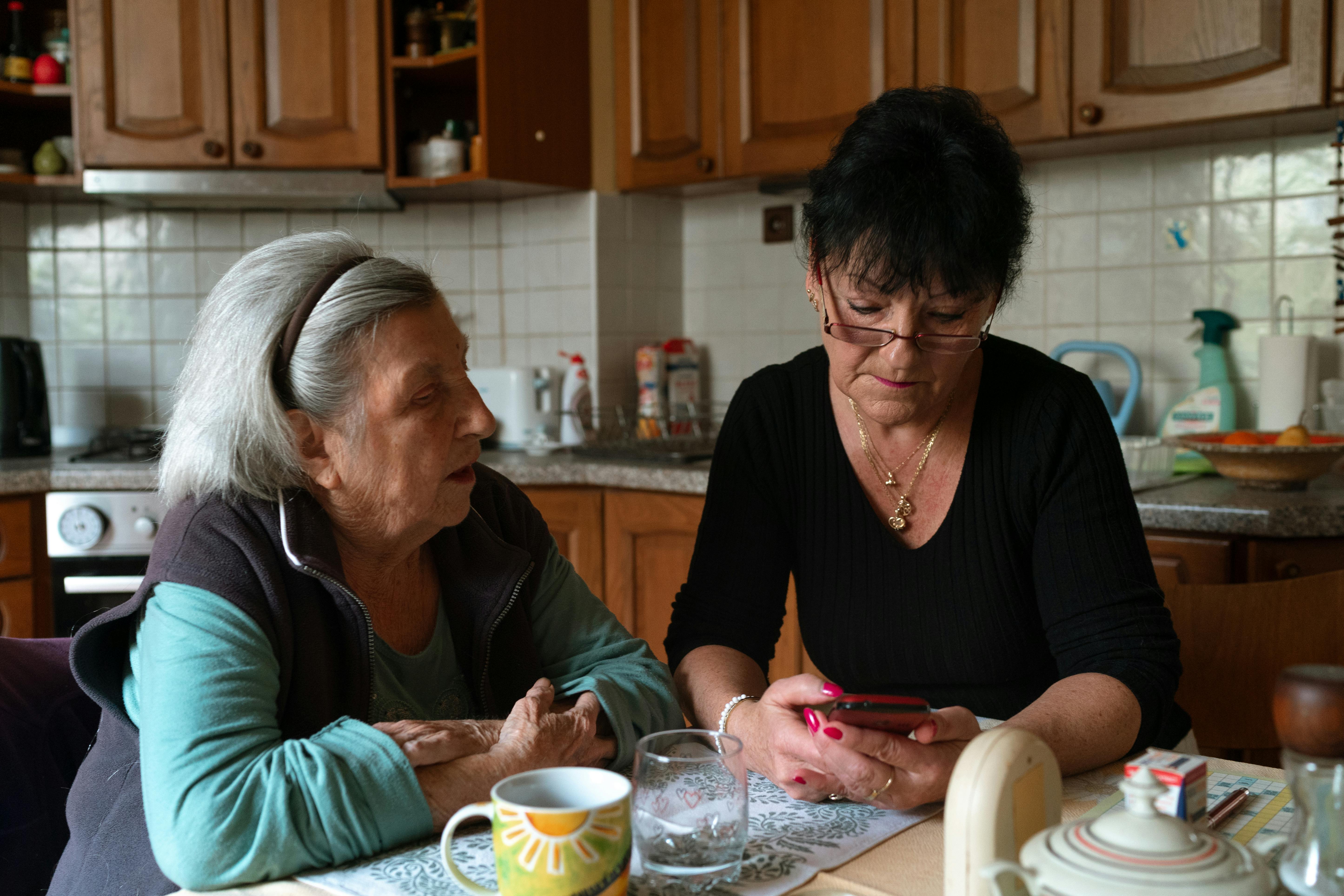
Home Care Staff Turnover: Solving the Admin Burden with Fast Documentation
Home care agencies lose staff to admin burnout. Discover how progress note apps with voice-to-text reduce documentation time by 80%, boost retention, and let carers focus on client care -complete with home care software integration strategies.

Home Care Visit Notes: What to Record After Every Client Visit
Use this guide to write clearer home care visit notes after every client visit, including what to record, common mistakes, and how better notes improve continuity and compliance.
Staff Time Management Software for Aged Care: Solving the Paperwork Crisis
Our staff spends too much time on paperwork instead of caring for residents. This guide shows how care documentation software frees up 14+ hours per day for direct care delivery in aged care facilities.
Further reading