
Practical Care Technology and Workflow Guides
Practical articles for Australian care teams covering AccuNote's seven modules, documentation, communication, incidents, forms, care planning, vendor records and staff knowledge.
Cluster 1
Audit-ready progress notes
Learn how to write clearer aged care progress notes, reduce documentation burden, and improve audit readiness.
Cluster 2
Compliance and accreditation
Explore incident reporting, accreditation preparation, and documentation controls that support quality standards.
Cluster 3
Voice-to-text workflows
See how mobile note capture, voice-to-text, and structured workflows help teams document faster.
Newest first
Latest documentation guides

Care Notes: Separate What You Saw From What You Concluded
A practical way to keep observations, support provided, the person's response and professional interpretation clear in a care record.

Reviewing a Care Note Dictated in Another Language
A workflow for checking dictated notes when staff use more than one language, without losing the person's meaning or local terminology.

Documenting a Refusal Without Losing the Person's Choice
Show what was offered, what the person chose, how staff responded and what follow-up was agreed when support is declined.

Point-of-Care Notes That Still Work at Handover
Capture a care interaction close to the event and leave a concise record that helps the next worker see what remains to be done.

Build a Care Note Review Routine Staff Can Actually Use
A short, supportive review routine can improve clarity without turning documentation into a scorecard or a hunt for perfect wording.

Family Care Emails: Keep Facts, Consent and Next Steps Clear
A practical checklist for writing useful family updates while respecting privacy, authority and the limits of email.

Use ISBAR to Structure a Care-Team Email Update
A concise ISBAR outline can help organise a clinical update, while keeping the reader, urgency and required action explicit.

Check the Recipient Before Sharing a Care Update
Simple recipient checks help prevent a well-intended update from reaching someone who is not authorised to receive it.
A Practical AI Governance Checklist for Care Documentation
A provider-focused checklist for evaluating AI-assisted care documentation, protecting personal information, reviewing drafts, and keeping accountability clear.
Review a Translated Care Email Before It Leaves the Team
Translation can widen access to a message, but names, care terms, tone and requested actions still need a careful human check.
Prepare for an Aged Care Assessment With an Everyday Evidence Map
Build a practical evidence map from routine care records, assign owners for gaps, and prepare teams for assessment without creating a last-minute paperwork scramble.

Connect a Sent Care Email to the Follow-Up Record
A clear record of what was sent, why and what happens next helps a care team continue the conversation across shifts.
SIRS Incident Documentation: A Clear Workflow From First Response to Follow-Up
A practical workflow for recording incident facts, immediate actions, notifications, decisions, and follow-up while keeping SIRS assessment responsibilities clear.

Build a Clear Incident Timeline From the First Report
A chronological record helps reviewers see what was observed, what action followed and where details still need confirmation.

Family Care Emails: Clear, Respectful Communication With a Traceable Follow-Up
A practical guide to documenting care-related emails with the right authority, minimum necessary detail, clear actions, and reliable follow-up for Australian care teams.

Assign Clear Owners to Incident Follow-Up Tasks
A follow-up task is easier to complete when it has a named owner, a clear outcome and a visible review point.

External Provider Follow-Up: Track Recommendations Into Everyday Care
A clear workflow for recording referrals, appointments, recommendations, ownership, and follow-up when external clinicians or service providers are involved in care.
Keep Feedback and Incident Records Connected but Distinct
A concern may need both a response to the person and an incident review, but the records should retain their separate purposes.

When a Home-Care Visit Changes at the Door: Record What Actually Happened
A practical guide to documenting late, shortened, or changed home-care visits without guessing, blaming, or recording planned support as delivered.
Record Investigation Evidence Without Jumping to Cause
Separate evidence, accounts and working questions so an incident investigation remains transparent as information develops.
Getting There Is Only Half the Story: Notes for Transport and Appointments
What to record before, during, and after supported transport or an appointment, while keeping the person's choices and private information in view.

Close Incident Follow-Up With a Useful Learning Review
Before closing an incident workflow, check that actions are complete and decide whether any service-level learning needs an owner.

Domestic Assistance Notes That Respect the Person's Home and Choices
Record household support in a way that shows what the person asked for, what was completed, and what still needs follow-up -without judging their home.

Choose the Right Care Form Before You Start Typing
A quick check of purpose, version and required evidence can prevent a carefully completed form from going to the wrong place.
When the Care System Goes Offline: Keeping the Paper Trail Straight
A practical approach to approved downtime records, secure handling, and careful reconciliation when a care documentation system becomes available again.
Review Prefilled Care Form Fields Before Submission
A field-by-field review catches mismatched names, stale details and information placed in the wrong part of a form.
Before You Take a Care Photo: Consent, Context and the Record
Care photographs can be useful when authorised, but they need a clear purpose, appropriate authority, secure handling, and a written record that explains the context.

What to Do When a Care Form Has Missing Information
A safe form workflow makes uncertainty visible instead of filling gaps with assumptions or copying details from the wrong record.
Voice Capture in Care Forms Still Needs a Review Pass
Dictation can reduce typing, but names, numbers, negation and form-specific wording need confirmation before a response is submitted.
Reduce Duplicate Entry With a Form Source Check
A simple source-of-truth check can reduce retyping while avoiding stale information flowing from one system into another.

Compare Progress Notes With the Support in a Care Plan
A structured comparison can help reviewers notice where delivered support, recorded notes and planned care may need clarification.

Document Variations From Planned Support With Context
When delivered support differs from a plan, a clear note records the reason, the person's response and any action needed next.

Connect a Change in Support Needs to a Plan Review
A change in routine or support needs can be a prompt for review, but the right response depends on the person's circumstances and provider process.

Treat Care-Plan Review Signals as Questions, Not Conclusions
Patterns in records can guide a review, but staff should check the underlying evidence and the person's context before acting.

Close the Loop on Care-Plan Review Actions
A review is not complete until the decision, the person's involvement and any resulting changes are recorded and communicated.
Give Every Care Vendor Record a Clear Owner
A register is only useful when someone is responsible for keeping each supplier record current and acting on exceptions.
Organise Subcontractor Documents Around the Work They Support
A useful contractor file connects required evidence to the service, the responsible reviewer and the next review date.
Plan Vendor Document Follow-Up Before Expiry
Expiry reminders are more useful when the right person has enough lead time to request, review and resolve replacement evidence.

A Subcontractor Onboarding Check Before the First Shift
A consistent pre-start process helps teams confirm the scope, access, contacts and evidence needed for a contractor's work.
A Documentation Huddle That Respects the Shift
A short, practical team huddle can improve one documentation habit at a time -without turning handover into another lecture or audit meeting.
Keep Vendor Renewal Decisions Easy to Follow Later
A clear renewal record captures the evidence considered, the reviewer, the decision and any conditions that remain open.
The Form Nobody Likes: Signs It’s Time for a Rethink
A form is meant to help staff capture useful information. Watch for fields that prompt guessing, duplicate other records, or keep getting worked around.

Prepare a Policy Library Staff Can Search With Confidence
A staff knowledge assistant is only as useful as the approved, current and well-organised material behind its answers.
A Care-Team Knowledge Bot Should Know When to Stop
A useful staff chatbot points to approved guidance, shows where its answer came from, and sends clinical or urgent questions to the right person.

Set Clear Boundaries for Staff Knowledge Answers
Decide which questions a knowledge tool can support and which must go to a supervisor, clinician or formal procedure.
A Voice Note Should Still Sound Like the Person
Voice-to-text can make a first draft easier, but the worker still needs to check that the final note keeps the person's meaning and separates observation from interpretation.
When a Policy Search Should Become a Human Conversation
Uncertainty, conflicting guidance and person-specific decisions are signs that a staff member should move beyond a search result.
One Care Record, Three Systems: Where Should the Update Go?
When teams use several systems, a simple rule for the authoritative record can prevent conflicting copies and make the next action easier to find.

Keep Staff Knowledge Current When a Policy Changes
A policy update is not complete until old copies are retired, the new version is findable and staff know what changed.
A Software Pilot Is for Learning, Not for Proving a Point
A useful care-software pilot looks for friction, missed assumptions, and staff needs -not just a headline time-saving number or a quick endorsement.

Evaluate a Staff Knowledge Tool With Real Shift Questions
Use realistic, de-identified questions to check whether staff can find the right source, recognise uncertainty and know when to escalate.
The Best Documentation Feedback Often Starts With One Question
Ask staff where a workflow gets awkward, then follow the answer back to the form, handoff, or policy that may be causing the problem.
The 60-Second Note Test: Is Your Handover Record Doing Its Job?
A quick self-test for care notes: can the next worker tell what happened, what changed and what to do next in under a minute?
Retiring an Old Care Form Without Confusing the Team
When a form changes, version control is only half the job. Staff also need a clear changeover date, a place to find the current copy, and a plan for work already underway.
Why Notes Written Late Read Differently (and What to Do About It)
Memory fades fast on a busy shift. Here is how late entries lose detail, and practical ways teams capture more while it is fresh.
Reviewing Care Notes Without Turning It Into a Scorecard
A useful peer review looks at whether a note helps the next person act, then gives the writer one clear, respectful improvement to try.
Five Phrases to Retire From Your Progress Notes
“Had a good day” tells the next reader almost nothing. Five common phrases, and what to write instead.
Measure the Friction, Not Just the Minutes Saved
A faster workflow is worth examining, but a fair review also asks about corrections, interruptions, staff confidence, and what happens to unfinished follow-up.
Writing Notes for Someone Who Was Not There
Casual staff, new starters and weekend workers rely on your notes. How to write so a reader with no background can still follow.
From Rushed to Ready: A Realistic Note Routine for Busy Shifts
A simple three-step routine that fits between tasks, so documentation does not pile up at the end of the day.
Eight Lines or Less: How to Write a Family Update People Actually Read
Long updates get skimmed. A structure for short, warm and accurate family emails that still respect privacy.
Clinical Update or Family Message? Choosing the Right Tone
The same event needs two different emails. How to adjust wording, detail and tone for each reader.
The Email You Hoped Never to Write: Communicating Difficult News
Some news should not arrive by email alone. Principles for when email helps, when it does not, and how to follow up.
Translating Care Emails: A Quick Checklist Before You Hit Send
Multilingual families deserve clear communication. A short checklist for reviewing translated drafts.
Does Your Email Leave a Trail? Linking Messages Back to the Care Record
A message that never reaches the record is invisible to the next shift. Simple habits that keep communication connected.
The First Ten Minutes: What to Capture After an Incident
Memory is sharpest right after an event. A short list of what to record first, while following your emergency procedures.
Who Owns This? The Question Every Incident Follow-Up Needs
Most stalled incident actions have the same problem: no clear owner. How to assign follow-up that actually happens.
Feedback, Complaints and Incidents: Keeping the Threads Straight
A single concern can touch several processes. How to keep each response clear without losing the connection.
What a Reviewer Hopes to See in an Incident File
Not a compliance checklist, but a practical view of what makes an incident record easy to follow.
Turning Incident Data Into Better Shifts
Patterns across incidents can point to roster, environment or process issues. How to look without jumping to conclusions.
How Many Times Do Your Staff Type the Same Name?
Re-entering the same details across forms is slow and error-prone. How to spot where repetition hides in your workflow.
Talk It Through: Filling Web Forms by Voice
Speaking is often faster than typing, especially on a phone. What works, and what still needs a careful read-through.
The Form Nobody Fills In Properly (and Why)
When a form is routinely incomplete, the form is usually the problem. How to find out why before blaming staff.
Missing Fields and Unknowns: Honest Forms Beat Tidy Forms
A form full of plausible guesses is worse than one that says “unknown”. Building a culture of honest completion.
Hands-Free Capture: Where It Helps and Where It Does Not
Hands-free tools can help when a worker's hands are busy. A balanced look at the benefits and the practical limits.
Is the Care Plan Still the Plan? A Simple Monthly Check
Plans drift from practice. A light monthly check can show where delivered care and the written plan have parted ways.
Under-Serviced or Just Documented Differently?
A gap in the records is not always a gap in care. How to investigate before drawing conclusions.
Spotting Change Early: What Notes Can Tell You Between Reviews
Small changes in routines, appetite or mobility often appear in notes before they reach a review.
Preparing for a Care Plan Conversation With Families
Reviews go better when evidence is ready and the person is at the centre. A practical preparation guide.
After the Review: Making Sure the Plan Actually Changes
A review that does not change anything is just a meeting. Closing the loop between decisions and daily practice.
Who Is Actually Working in Your Facility? Knowing Your Contractors
Contractors, tradespeople and subcontractors come and go. A central view helps you know who is cleared and who is not.
The Insurance Certificate Nobody Noticed Had Expired
Expired documents rarely announce themselves. Habits and alerts that catch them before they become a problem.
Self-Service for Subcontractors: Less Chasing, Fewer Emails
Letting vendors upload and update their own documents can reduce the back-and-forth for your office team.
A Fair Way to Review Vendors Without Creating Red Tape
Proportionate checks protect your service without burying small suppliers in paperwork.
When a Supplier Falls Through: Keeping a Record That Helps
Supplier problems happen. A clear record helps you decide what to do next and what to change.
I Know It Is in a Policy Somewhere: Finding Answers on Shift
Policies are only useful if staff can find them when they need them. Why search is the hidden training gap.
Onboarding New Staff: A Safety Net for the First Month
New starters have a thousand small questions. A knowledge assistant can support, but not replace, a good buddy.
What Should a Staff Chatbot Never Answer?
Boundaries matter. Questions that should always go to a person, and how to make that clear to staff.
Five Questions Staff Ask Most (and How to Make Them Easy to Answer)
Common questions point to unclear policies. Use them to improve both documents and training.
Keeping the Knowledge Base Honest: Who Updates What
An out-of-date policy library is worse than none. Simple ownership rules keep guidance current.

NDIS Assistive Technology Trials: Documenting Choice, Setup and Outcomes
Learn how to document participant goals, assistive technology trial setup, communication support, feedback, risks, follow-up and funding decisions.

NDIS Participant Money Handling: Purchases, Receipts and Reconciliation
A practical NDIS guide to recording participant-directed purchases, receipts, consent, worker roles, reconciliation and escalation of discrepancies.

Home Care Key-Safe and Access Logs: Documenting Entry, Exit and Home Security
A practical home-care guide to authorised key-safe access, arrival and exit records, failed entry, escalation, privacy and secure handover.

Aged Care Resident Property Registers: Valuables, Storage and Discrepancies
Learn how aged care teams can record resident property inventories, transfers, access, preferences and discrepancies while protecting privacy and dignity.

Aged Care Food Allergy Documentation: Allergens, Substitutions and Reactions
A practical aged care guide to recording allergy information, meal substitutions, observed reactions, escalation and follow-up without replacing clinical advice.

NDIS Conflict of Interest Documentation: What Providers Should Record
Learn what NDIS providers should document when a conflict or potential conflict arises, including disclosure, participant choice, mitigation, independent options, review and follow-up.

NDIS Supported Decision-Making Documentation: How to Record Choice and Consent
A person-led NDIS guide to documenting supported decision-making, accessible information, participant choice, consent, supporters, representatives, refusals and review.

Aged Care Safeguarding Documentation: Recording Suspected Abuse, Neglect and Exploitation
Learn how aged-care workers can document suspected abuse, neglect or exploitation with immediate safety actions, neutral facts, restricted records, authorised escalation and follow-up.

Aged Care Skin Tear Documentation: What to Record After an Injury
A practical aged-care guide to documenting a suspected skin tear, immediate response, wound and incident records, notifications, photos, monitoring, and follow-up without diagnosing or staging.
Aged Care Personal Care Notes: What to Document for Bathing, Dressing and Toileting
Learn how to document aged-care personal care with dignity, consent, preferences, privacy, observations, refusals, and clear follow-up without exceeding worker scope.

NDIS Service Agreement Documentation: Recording Scope, Consent, Changes and Exit
Learn how to document accessible NDIS service agreements, support scope, pricing references, consent, changes, cancellations, disagreements, exit, continuity, and delivery evidence boundaries.

NDIS Support Coordination Case Notes: Documenting Referrals, Decisions and Follow-Up
A person-led guide to NDIS support coordination case notes covering participant priorities, consent boundaries, options, referrals, attributed advice, barriers, outcomes, and follow-up.

Aged Care Privacy Breach Documentation: What to Record After a Data Incident
Learn how aged-care providers can document suspected privacy incidents, containment, affected information, preserved audit evidence, notification assessment, remediation, and review.

Aged Care Clinical Escalation Notes: How to Document SBAR/ISBAR for Changes in Condition
A practical aged-care guide to documenting SBAR or ISBAR escalation, baseline changes, objective observations, clinician responses, read-back, handover, and closed-loop follow-up.

Aged Care Care Conference Notes: Documenting Decisions, Preferences and Follow-Up
Learn how to write person-centred aged-care conference notes that preserve resident preferences, clarify authority, record disagreements, assign actions, and track formal plan updates.
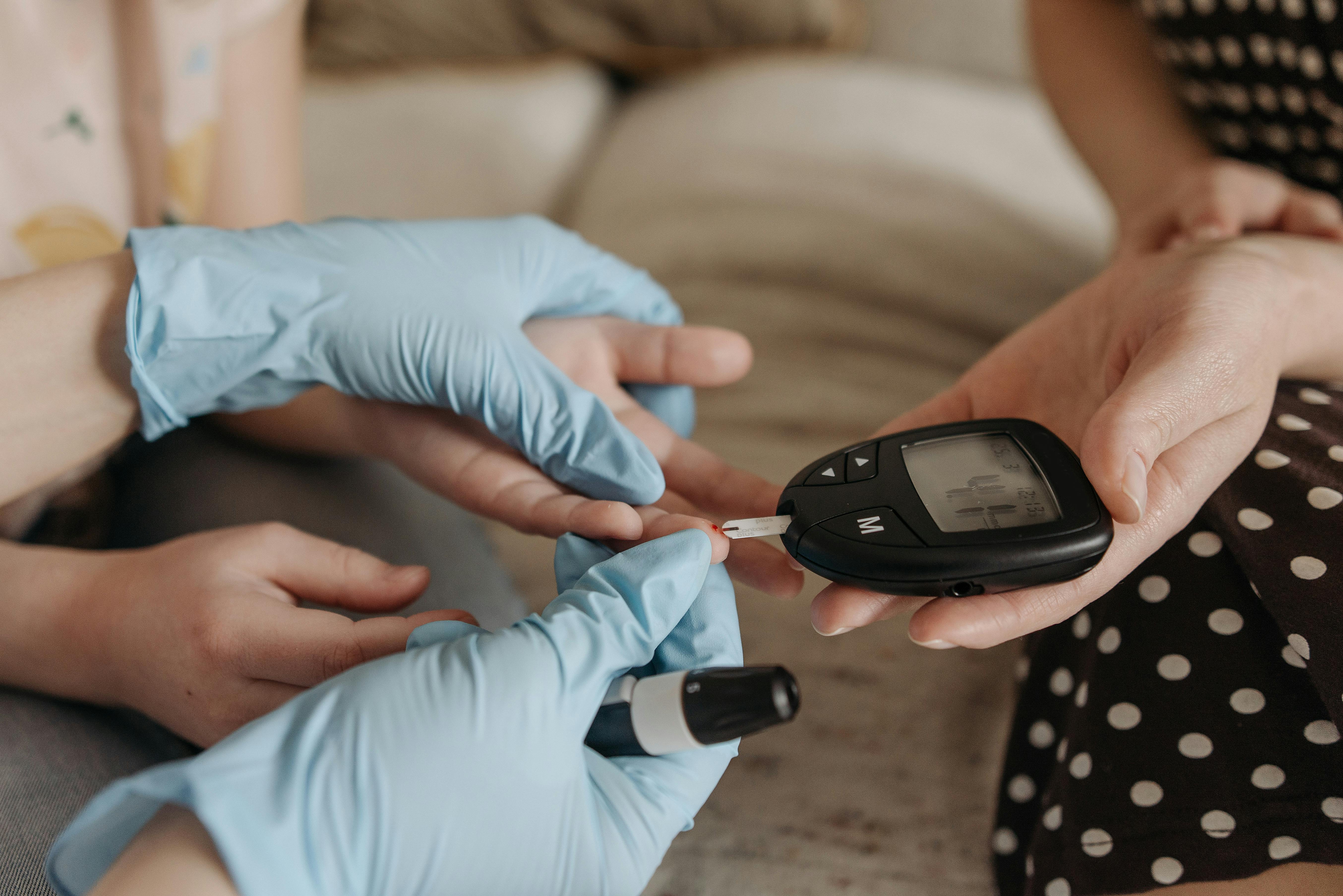
Diabetes Care Documentation in Aged Care: Monitoring, Hypo Risk and Escalation
A documentation guide for aged-care diabetes support covering authorised monitoring plans, observable change, meals and medication context, hypo risk escalation, handover, and review.

Meaningful Activities in Aged Care: Documenting Choice, Participation and Wellbeing
Move beyond attendance counts with person-centred aged-care activity notes that capture choice, participation, adaptations, observable responses, barriers, and follow-up.

Culturally Safe Aged Care Documentation for Aboriginal and Torres Strait Islander Peoples
Learn how person-defined cultural safety, self-determination, identity, family and kinship preferences, connection to Country, communication, and accountability can be reflected in aged-care records.

Accessible Communication in Aged Care: Interpreter, Hearing and Communication Support Records
A person-led guide to documenting interpreters, hearing supports, communication preferences, accessible information, understanding, consent, and handover in aged care.

Aged Care Immunisation Records: Documenting Consent, Declines and Follow-Up
Learn how to document aged-care immunisation offers, accessible information, consent or decline, administration records, observations, privacy, and follow-up without exceeding scope.

Dysphagia and Mealtime Support Documentation in Aged Care
A documentation-focused guide to recording dysphagia and mealtime support, authorised plans, resident preferences, intake observations, escalation, and multidisciplinary follow-up.
Aged Care Staff Competency Records: Training, Supervision and Audit Evidence
Learn how aged-care providers can connect qualifications, training, observed competency, supervision, rostering, reassessment, and improvement evidence in staff records.

Aged Care Emergency Event Documentation: Evacuation, Heatwave and Continuity Records
Build clearer aged-care emergency records for evacuation, heatwave, outage, relocation, resident tracking, handover, service continuity, and post-event review.
Open Disclosure in Aged Care: Documenting Incident Communication and Follow-Up
Learn how to document open disclosure after an aged-care incident with a factual communication record, resident and family preferences, agreed actions, and accountable follow-up.
Aged Care Record Keeping: Late Entries, Corrections and Audit Trails
A practical Australian aged-care guide to transparent late entries, corrections, version history, authorship, and audit trails that preserve the integrity of care records.

NDIS Incident Action Plans: Corrective Actions and Effectiveness Reviews
Learn how to turn NDIS incident findings into accountable corrective actions, participant-informed safeguards, implementation evidence, and effectiveness reviews.
NDIS Cancellations and Declined Supports: Documenting Choice and Continuity
Learn how to document cancelled or declined NDIS supports respectfully, including participant choice, alternatives, immediate risks, follow-up, and service continuity.

SIL Shift Handover Notes: Risks, Choice, and Follow-Up in Shared Living
A practical guide to Supported Independent Living handovers covering participant routines, shared-home boundaries, health changes, incidents, tasks, and follow-up.

NDIS Audit Records: Building a Participant-File Evidence Index
Learn how to organise an NDIS participant file so auditors can trace consent, plans, service delivery, incidents, worker actions, reviews, and improvements without duplicate records.

NDIS Provider Privacy and AI Documentation: Consent, Access, and Human Review
A practical privacy guide for NDIS providers using AI or digital documentation tools, covering consent, data handling, access, accuracy, retention, and human oversight.

NDIS Medication Assistance Notes: What Disability Support Workers Should Record
Learn how to document medication prompting or assistance, participant choice, observations, missed or declined support, escalation, and follow-up within worker scope.
NDIS Handover Documentation Across Workers, Teams, and Providers
Learn how to document NDIS handovers that preserve participant choice, communicate current risks, clarify follow-up, and protect privacy across services.
NDIS Plan Review Reports: Turning Progress Notes Into Outcome Evidence
Learn how to convert day-to-day NDIS progress notes into balanced plan review evidence covering goals, support delivered, barriers, participant feedback, and next steps.

NDIS Complaints Documentation: Recording Feedback, Actions, and Resolution
A practical guide to documenting participant feedback and complaints accessibly, including acknowledgement, immediate safety, investigation, communication, and resolution.
NDIS Service Delivery Evidence: Linking Progress Notes to Supports Delivered
Learn how to document NDIS supports delivered, participant choice, progress, changes, and follow-up so service records form clear and reliable evidence.

Aged Care Quality Indicators: Turning Routine Documentation Into Reliable Evidence
Learn how to connect daily care records, assessments, incidents, consumer feedback, data checks, and improvement actions for more reliable quality indicator evidence.

Advance Care Planning: Documenting Preferences, Reviews, and Care Team Communication
Learn how to record advance care planning conversations, personal values, consent, formal documents, review triggers, and communication without exceeding your role.

Mobility Equipment and Safety Checks: Documenting Risks, Changes, and Follow-Up
Learn how to document mobility aids, equipment checks, changed transfer needs, resident choice, faults, escalation, and review in aged care and home care.

GP Communication and Clinical Advice: How to Document the Follow-Up Loop
A practical guide to recording why a GP was contacted, information shared, advice received, authorised care changes, monitoring, and follow-up responsibilities.

Sleep and Overnight Observations: Writing Useful Aged Care Progress Notes
Learn how to document sleep patterns, overnight checks, changed behaviour, comfort measures, risks, escalation, and morning handover without vague charting.

Oral Health and Dental Follow-Up: Documentation for Safer Daily Care
Learn how to record oral health observations, personal preferences, daily support, dental referrals, changed eating, and follow-up in aged care notes.

SIRS Incident Documentation: Building a Clear Record From Response to Review
Learn what aged care records should capture after a potentially reportable incident, including immediate safety, notification, evidence, follow-up, and prevention.
Dementia, Communication, and Capacity: A Guide to Respectful Care Documentation
Learn how to document communication support, choice, consent, distress, decision-making, and representative involvement without using labels or assumptions.
Pain Assessment and Reassessment: Writing Progress Notes That Show the Outcome
A practical guide to documenting pain observations, resident reports, approved interventions, escalation, reassessment, and clinical follow-up in aged care.

Nutrition, Hydration, and Weight Loss: What Aged Care Notes Should Capture
Learn how to document food and fluid intake, weight changes, resident preferences, escalation, and follow-up so nutrition risks are recognised and addressed early.

Allied Health Referrals: How to Document, Track, and Close the Follow-Up Loop
A practical guide to documenting allied health referrals, appointments, recommendations, care plan updates, and follow-up across aged care, home care, and disability support.

Continence and Bowel Chart Documentation: Turning Daily Records Into Safer Care
Learn how to document continence support and bowel observations objectively, respectfully, and consistently so teams can recognise changes and take timely action.

Medication Reconciliation and Missed Doses: What Care Notes Should Record
Learn what to document when medicines change or a dose is missed, including observations, escalation, instructions, monitoring, and follow-up without duplicating the medication chart.

Hospital Discharge Documentation: A Safe Return-to-Care Checklist
Use this return-to-care documentation checklist to reconcile hospital instructions, identify clinical changes, update care plans, and create a safe handover after discharge.
Aged Care Admission Notes: How to Document a Clear Clinical Baseline
Learn how to document an aged care resident's baseline at admission so future changes in health, function, behaviour, and support needs are easier to recognise.
Documentation Training for Care Workers: A Practical 30-Minute Team Session
Use this practical training outline to help care workers write clearer progress notes, recognise documentation gaps, and connect everyday records with quality outcomes.

Home Care Visit Notes: A Best-Practice Guide for Safe, Consistent Documentation
Discover what strong home care visit notes should include, from the participant's environment and preferences to changes in risk, service delivery, and follow-up.

Incident Reporting in Aged Care: What to Document After a Fall, Injury, or Near Miss
A practical guide to documenting aged care incidents and near misses, including immediate actions, resident impact, escalation, notifications, and follow-up.

NDIS Progress Notes: How to Connect Daily Support With Participant Outcomes
Learn how NDIS progress notes can connect daily support activities to participant goals, choice, outcomes, and the evidence providers need for quality reviews.

Aged Care Progress Note Audit Checklist: 10 Things to Review Every Week
Use this practical aged care progress note audit checklist to review timeliness, detail, person-centred care, escalation, and care plan alignment before an external assessment.

The Continuous Improvement Cycle: From Audit Findings to Compliance Excellence
Compliance isn't a destination -it's an ongoing cycle of documentation, monitoring, improvement, and measurement. Learn how to build a continuous improvement culture.

Family Communication and Advocacy: Documenting Resident Relationships and Care Coordination
Family involvement is central to quality aged care. Learn how to document family communication, concerns, and partnership in care -and why auditors look for this evidence.

Documenting Health Deterioration: Early Warning Signs That Save Lives
Missing early signs of health decline is a common audit finding. Learn how to document observations that catch problems before they become emergencies.

Documenting Dignity: How Progress Notes Protect Resident Rights and Care Quality
Aged Care Quality Standard 1 focuses on dignity and choice. Learn how to document in ways that respect resident autonomy and create evidence of person-centred care.

Technology and Compliance: How Digital Tools Make Audit Readiness Automatic
The right documentation software doesn't just store notes -it ensures compliance in real time. Discover how technology can transform your documentation culture.
The NDIS Progress Note Quality Checklist: What Auditors Look For
NDIS audits have specific expectations. Use this practical checklist to ensure your progress notes meet NDIS quality standards and demonstrate participant-centred care.
Building a Compliance Documentation Culture: Training Staff for Audit Success
Documentation compliance doesn't happen by accident. Learn how to train and support staff so that compliant documentation becomes second nature across your facility.

Care Planning and Progress Notes: How to Create Alignment and Consistency
Many audit findings stem from misalignment between care plans and progress notes. Learn how to ensure every note reflects the resident's individualized care plan.
Turning Audit Findings Into Opportunities: A Progress Note Remediation Framework
Don't dread audit findings - use them to improve. Learn how to systematically remediate documentation findings and prevent them from recurring in future audits.

Preventive Documentation: Why Early Records Prevent Late-Stage Compliance Issues
Compliance issues rarely come out of nowhere. Learn how consistent, high-quality documentation prevents problems from becoming audit findings - and how to recover if you're behind.
Mental Health Support Documentation: Meeting Quality Standards and Therapeutic Goals
Mental health support requires documentation that balances clinical rigor with therapeutic relationship. Learn how to document mental health support that meets standards while supporting recovery.

Home Care Documentation: Compliance in a Distributed Care Setting
Home care providers face unique documentation challenges. Learn how to maintain audit-ready records when staff are working in multiple homes across multiple locations.

Five Red Flags in Progress Notes That Trigger Audit Findings
Auditors have seen it all. Learn the five most common red flags in aged care progress notes that trigger non-compliance findings and how to avoid them.
5 Documentation Failures That Trigger Aged Care Audit Findings
Real examples of documentation gaps flagged by auditors. Learn what assessors look for and how to avoid the most common compliance failures in progress notes.
Aged Care Documentation Framework: Standards Guide
A guide to the seven Aged Care Quality Standards effective 1 November 2025 and practical documentation workflows. Information current as of 1 October 2026.

NDIS Goals and Documentation: What Support Workers Need to Know
A practical guide to documenting NDIS plan goals in progress notes. Learn how to link supports to participant goals and demonstrate outcome-focused service delivery.

How Aged Care Facilities Can Cut Documentation Time by 70%
Real numbers on time savings from modern care documentation software. Learn how voice-to-text and AI-assisted formatting gives carers back 3-4 hours per shift.

Health Information Privacy in Aged Care: What You Must Document
A guide to privacy requirements under the Privacy Act and Australian Privacy Principles. Learn how to document health information securely and compliantly.

Quality Standards and Progress Notes: The Regulatory Framework
An explanation of how the 6 Aged Care Quality Standards relate to progress note documentation requirements. Understand what each standard expects from your notes.

NDIS Safeguarding and Documentation: Protecting Vulnerable Participants
A guide to safeguarding documentation requirements under NDIS Practice Standards. Learn how to document protection strategies, risk management, and support for vulnerable participants.
Mental Health in Disability Support: Documentation and Recovery Planning
How to document mental health considerations in disability support. Learn recovery-focused documentation and how to support participants' mental health goals.

Restrictive Practices Documentation: Meeting NDIS and State Requirements
A guide to documenting restrictive practices lawfully and ethically. Learn what must be recorded, how to justify use, and how to track outcomes and alternatives.

Communication and Capacity Assessment: Documentation for Disability Support
How to document communication abilities and capacity assessments. Learn to support informed consent and autonomy in decision-making for participants with communication disabilities.

Trauma-Informed Care Documentation in Disability Support
How to embed trauma-informed practice in progress notes. Learn to recognize trauma responses, document triggers, and support healing without retraumatization.

Individualized Support Planning: How to Document Person-Centered Goals
A guide to person-centered support planning and documentation. Learn to write goals that reflect the participant's dreams, not service provider agendas.

Employment and Education Goals in Disability Support: Documentation That Works
How to document employment and education goals and track progress toward meaningful outcomes. Learn to celebrate small wins on the path to employment.

Community Participation and Social Connection: Documenting Meaningful Outcomes
How to measure and document meaningful community participation and social connection. Learn to see success as belonging, not just attendance.

Health and Wellbeing Documentation in Disability Support: Holistic Care
How to document physical health, mental health, and overall wellbeing. Learn to recognize health changes and coordinate with healthcare providers.

Quality Assurance in Disability Support: Auditing Your Documentation
How to audit progress notes to ensure they meet NDIS Practice Standards. Learn what to look for and how to improve documentation quality across your team.
Handover Notes and Shift-to-Shift Communication in Aged Care: Reduce Missed Risks
See what effective handover notes should include in aged care, from changes in condition and outstanding tasks to escalation items that protect continuity of care.

Restrictive Practices Documentation in Aged Care: Consent, Monitoring, and Review
A practical guide to documenting restrictive practices in aged care, including assessment, consent, least-restrictive alternatives, monitoring, and review requirements.
Falls Prevention and Post-Fall Documentation in Aged Care: What Good Notes Must Include
Learn what to document before and after a fall in aged care, including risk factors, immediate observations, escalation steps, and care plan updates that support safer, compliant care.

Medication Administration Records in Aged Care: Best Practices and Compliance
A comprehensive guide to accurate, compliant medication documentation in aged care, including MAR systems, common errors, and how to prevent medication-related incidents.
De-escalation Techniques and Documentation: Managing Challenging Behaviors with Compassion
A practical guide to de-escalation techniques for managing challenging behaviors in aged care and documenting these interactions in a way that supports safer, more compassionate responses.
Case Study: How a Small Aged Care Facility Transformed Compliance and Care Culture
A real-world story of how a 30-bed aged care facility improved documentation, reduced audit findings, and strengthened team culture through better systems and training.
Technology Integration in Aged Care: Beyond Voice-to-Text to Smarter Workflows
Explore how technology innovations -from voice-to-text to AI-assisted templates and real-time analytics -are transforming aged care documentation and improving outcomes.

Cultural Competency in Care Documentation: Respecting Diversity and Person-Centered Care
Learn how to incorporate cultural respect and person-centered practices into care documentation, honoring diverse backgrounds, traditions, and individual preferences.
End-of-Life and Palliative Care Documentation: Dignity, Preferences, and Compassionate Care
A sensitive guide to documenting end-of-life and palliative care in aged care, including advance care planning, comfort goals, and ensuring dignity in final days.

Wound Care and Pressure Injury Documentation: Assessment, Treatment, and Monitoring
A detailed guide to documenting wound care, pressure injuries, and pressure ulcer prevention in aged care, including assessment tools, treatment records, and progress tracking.
Infection Control and Outbreak Documentation in Aged Care: Best Practices and Compliance
A comprehensive guide to documenting infection control procedures, suspected outbreaks, and public health compliance in aged care facilities.
Care Plan Review Cycles: How to Document Routine Reviews and Continuous Assessment
Learn how to structure routine care plan reviews and continuous assessment documentation cycles in aged care to maintain compliance and person-centered care.
Behavioral Documentation in Aged Care: How to Record Challenging Behaviors and De-escalation
A practical guide to documenting challenging behaviours in aged care, including objective language, de-escalation techniques, triggers, and how to maintain dignity while creating compliant records.
Care Plan Review After a Change in Condition: What to Reassess and Document
A practical guide to care plan review and reassessment after a change in condition, including triggers, documentation checklists, example notes, and how better records support safe ongoing care.
NDIS Progress Notes for Incidents, Behaviours, and Safeguarding Concerns
Learn what to include in NDIS progress notes for incidents, behaviours of concern, and safeguarding issues, with practical examples, common mistakes, and documentation tips for Australian providers.
Post-Fall Documentation in Aged Care: What to Record and When to Escalate
A practical guide to post-fall documentation in aged care, including what to record immediately after a fall, when to escalate, common mistakes, and how stronger notes support compliance.
Home Care Visit Notes: What to Record After Every Client Visit
Use this guide to write clearer home care visit notes after every client visit, including what to record, common mistakes, and how better notes improve continuity and compliance.

How to Document Consent, Refusals, and Dignity of Risk in Aged Care and NDIS
Learn how to document consent, refusal of care, and dignity of risk decisions in aged care and NDIS settings with clearer notes, stronger compliance, and person-centred language.

Aged Care Shift Handover Notes: What to Include for Safer, Compliant Transitions
Learn what to include in aged care shift handover notes, how to structure them clearly, and how better handovers reduce risk, missed care, and compliance gaps.
Voice-to-Text Clinical Documentation: Maintaining Accuracy for Care Notes
Looking for voice-to-text caregiver documentation tools that maintain clinical accuracy? Discover how AI voice-to-text works, accuracy rates for aged care notes, and integration with care management platforms to ensure clinical quality while saving time.

Disability Support Accreditation: Progress Notes Software with Offline Capability
Preparing for NDIS or disability support accreditation? Learn how progress note software with offline capability, compliance audit features, and integration with existing systems ensures audit readiness while working across unreliable internet.

Multi-Location Aged Care Implementation: Rolling Out Progress Note Software Across Facilities
Manage multiple aged care homes? Discover how to implement progress note software across all locations quickly. Complete implementation roadmap with change management strategies, staff training, and compliance rollout across 3+ facilities.
Home Care Staff Turnover: Solving the Admin Burden with Fast Documentation
Home care agencies lose staff to admin burnout. Discover how progress note apps with voice-to-text reduce documentation time by 80%, boost retention, and let carers focus on client care -complete with home care software integration strategies.

Staff Time Management Software for Aged Care: Solving the Paperwork Crisis
Our staff spends too much time on paperwork instead of caring for residents. This guide shows how care documentation software frees up 14+ hours per day for direct care delivery in aged care facilities.
Best Progress Note Software for Aged Care Australia: Complete 2026 Comparison
Voice-to-text progress note software reduces documentation time from 15 minutes to 60 seconds. Compare AccuNote, ShiftCare, and other solutions. See real ROI for Australian aged care facilities.
AI Privacy Compliance for Aged Care: What Australian Providers Must Know (2026)
Complete guide to implementing AI safely in aged care: meet Privacy Act, APPs, and NDIS standards while keeping resident data secure. Privacy-first AI solutions for Australian providers.

Aged Care Act 2024 Compliance Checklist: Is Your Documentation Audit-Ready?
A practical checklist aligned to the Aged Care Act 2024 and Strengthened Quality Standards. Assess your facility's compliance status with this free tool.

NDIS Audit Requirements for Home Care: What Reviewers Look For in Progress Notes
A specific checklist of what NDIS auditors look for in home care documentation. Includes examples of compliant and non-compliant notes.
5 Documentation Gaps Assessors Flag at Aged Care Audits (And How to Avoid Them)
Real examples of documentation failures found during audits. Learn what assessors flag and how to avoid these common compliance gaps.
Build Your Compliance Roadmap: Interactive Guide to Quality Standards
Use our interactive Compliance Roadmap Generator to create a customised implementation plan for the Aged Care Quality Standards. Free, comprehensive, and designed by compliance experts.
Aged Care Accreditation Checklist 2025: Prepare Your Facility
Use this aged care accreditation checklist to prepare for the 7 Strengthened Quality Standards, tighten audit evidence, and request the free facility template.
Incident Reporting in Aged Care: Best Practices & Legal Obligations
Learn incident reporting requirements in aged care, what to document, mandatory timelines, and how to build stronger incident records for audits and safeguarding.
The 'Human' Side of High-Tech Care
How reducing technological friction in documentation allows for deeper resident-carer relationships and better emotional care.
Privacy Compliance for Aged Care: What Assessors Check in Your Documentation (2026)
Understand privacy requirements assessors look for during audits and how to ensure your documentation demonstrates compliance with Australian privacy laws.

Care Minutes: A Double-Edged Sword for Documentation?
Analyzing the impact of mandatory care minutes on documentation quality and the unintended consequences for Australian carers.

Clinical Governance for Aged Care: Building Audit-Ready Documentation Processes
Establish robust governance processes that ensure every care note is audit-ready. Learn how documentation systems support clinical governance requirements.

Training Staff for Better Care Documentation: A Practical Guide
Strategies for aged care facilities to develop a documentation culture that improves compliance, quality, and team morale.

Digital Transformation in Aged Care: A Strategic Approach
A guide for aged care leaders on planning and implementing digital solutions to improve care quality and operational efficiency.

Person-Centred Care: Documenting What Really Matters
Learn how to write person-centred care documentation that captures resident preferences, outcomes, dignity, and choice in aged care progress notes.

Medication Management Documentation: Essential Practices for Aged Care
Best practices for documenting medication administration, adverse reactions, and medication reviews in aged care facilities.
Preparing for the Aged Care Act 2024 with Compliance Software
A comprehensive guide on how the new Aged Care Act 2024 impacts your documentation requirements and how software can bridge the gap.

The Leadership Guide to Maximizing Operational Efficiency in Aged Care
Strategies for aged care executives to drive operational efficiency and workforce productivity through documentation technology.
How to Write Audit-Ready Aged Care Progress Notes in 60 Seconds
Learn how to write audit-ready aged care progress notes faster with voice-to-text, clearer documentation standards, and practical compliance examples for Australian providers.

How to Reduce Aged Care Complaints through Better Documentation
Discover the link between documentation quality and consumer satisfaction, and how to prevent complaints before they happen.
Faster Care Documentation Without the Burden: Tips for Australian Carers
Reduce documentation time and focus on care. Learn how to create audit-ready progress notes efficiently while managing compliance requirements.
Navigating NDIS Compliance with Digital Progress Notes
A guide for disability support workers on using digital tools to ensure NDIS compliance and better participant outcomes.