
A Voice Note Should Still Sound Like the Person
Voice-to-text can make a first draft easier, but the worker still needs to check that the final note keeps the person's meaning and separates observation from interpretation.
Transcription Can Clean Up Words and Still Lose Meaning
Someone says, “I don't want the blue one; it makes me feel cold.” A draft that records only “declined clothing” has tidied the sentence and lost the reason the person gave. The worker's job is not to preserve every spoken word, but to check that the note keeps the information that matters to the person's choice and the support provided.
When a person's exact words help explain a decision, use a short direct quote and make clear who said it. For everything else, write a concise account in neutral language: what the person asked for, what options were offered, what support followed, and what happened next.
Read the Draft as If You Weren't There
Before saving, check names, times, pronouns, and the difference between what you saw and what someone told you. “Seemed upset” may need a more concrete description of what happened, while “was aggressive” may be too broad to help another worker. Don't let a polished sentence turn an assumption into a fact.
Correct errors and remove details that aren't relevant. If the draft changes the meaning or leaves out an important qualification, edit it before it becomes part of the record. Voice-to-text is a way to capture a first draft; the final note remains the staff member's responsibility.
For an example of turning a brief entry into a clearer account, see our guide to person-centred care documentation.
Follow your provider's approved voice-capture, privacy, review, and recordkeeping procedures. Do not record conversations without the required authority and safeguards.
Want to see how AccuNote can improve your documentation?
AccuNote's care notes software can support Australian aged care and NDIS teams with voice-to-text and structured note drafts. Staff review each record for accuracy and context. You can also explore our security overview and documentation workflow.
Related guides on care documentation and compliance
Continue with articles and cornerstone pages that support the same documentation, compliance, and workflow topics.

Voice-to-Text Clinical Documentation: Maintaining Accuracy for Care Notes
Looking for voice-to-text caregiver documentation tools that maintain clinical accuracy? Discover how AI voice-to-text works, accuracy rates for aged care notes, and integration with care management platforms to ensure clinical quality while saving time.
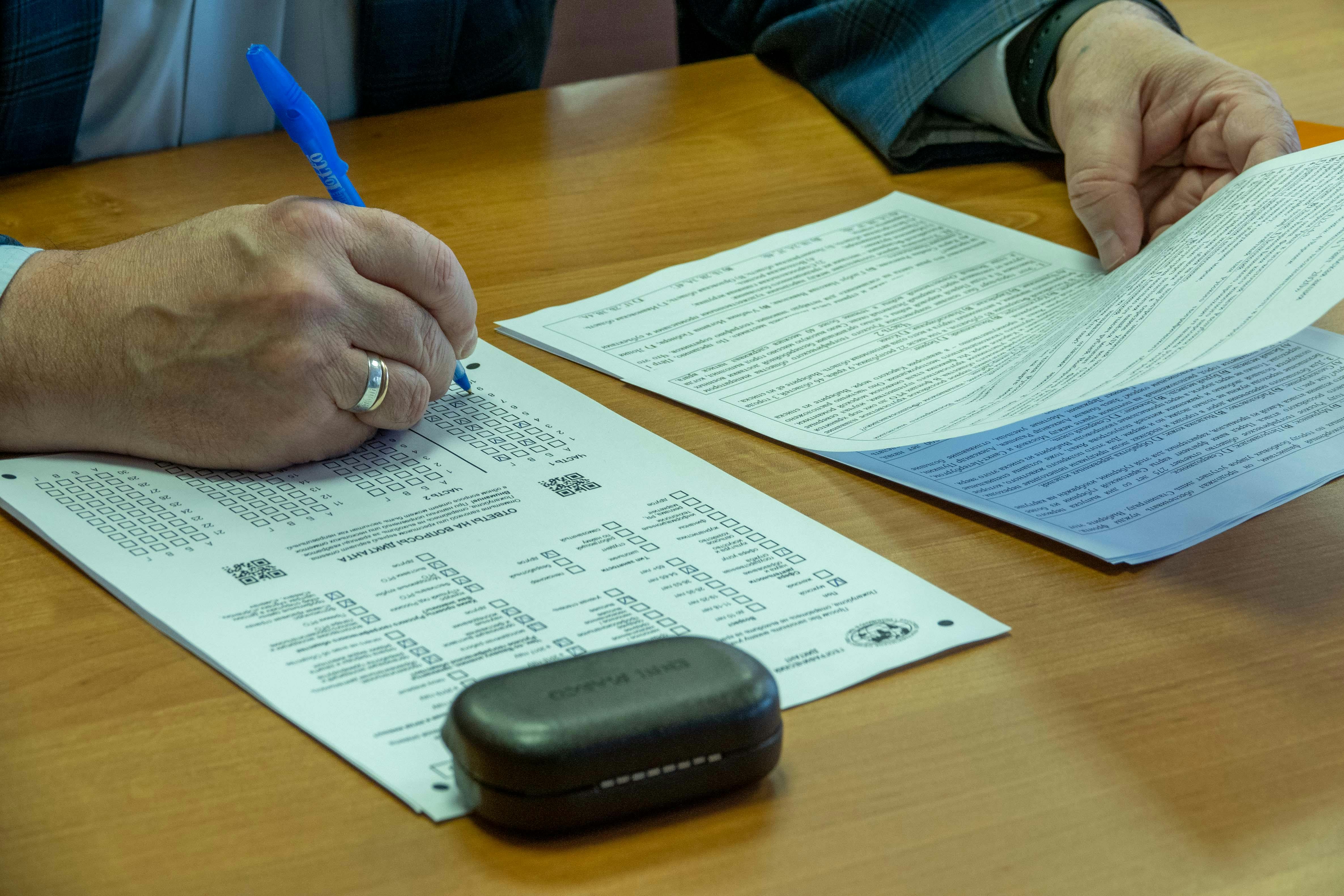
Staff Time Management Software for Aged Care: Solving the Paperwork Crisis
Our staff spends too much time on paperwork instead of caring for residents. This guide shows how care documentation software frees up 14+ hours per day for direct care delivery in aged care facilities.
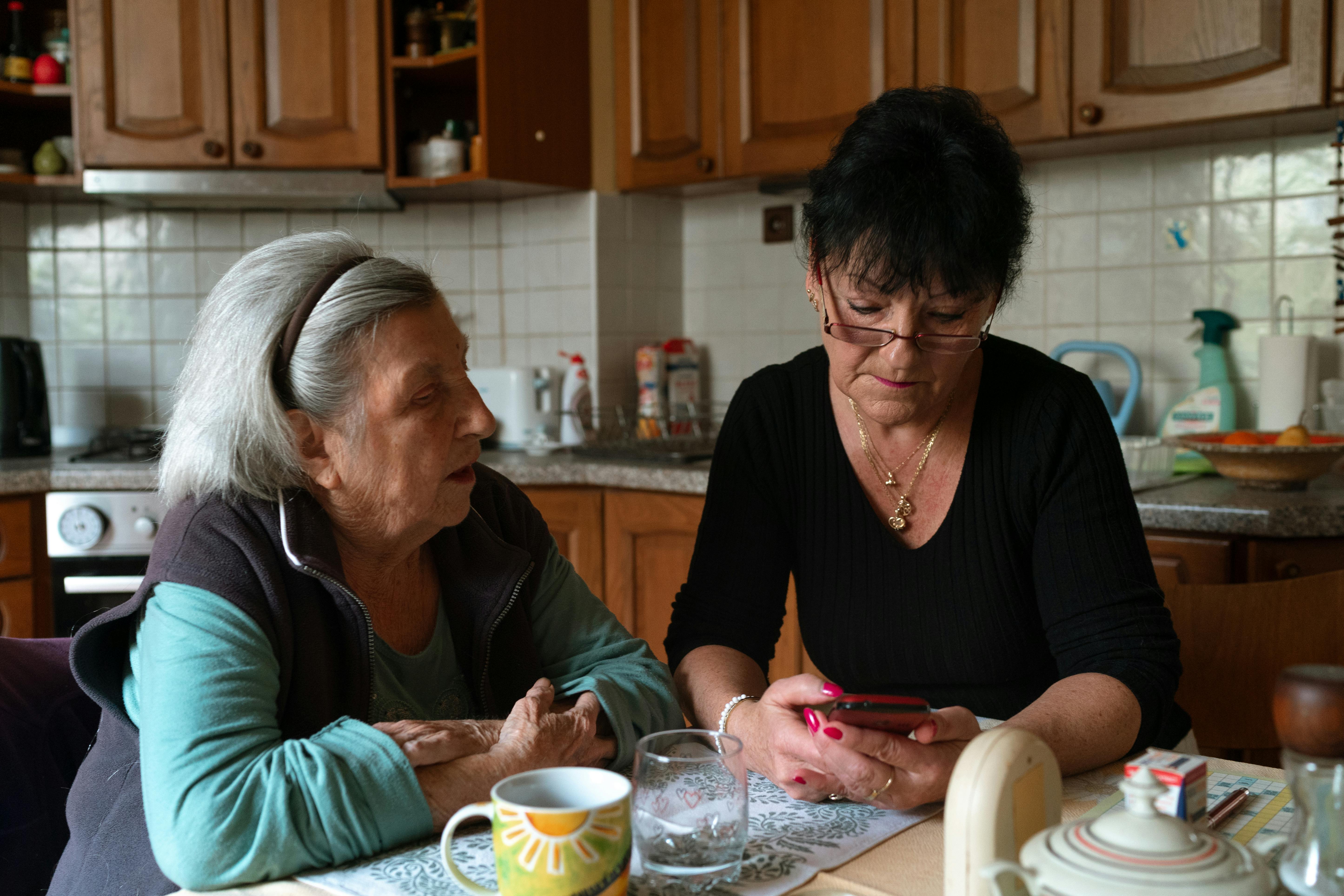
Home Care Staff Turnover: Solving the Admin Burden with Fast Documentation
Home care agencies lose staff to admin burnout. Discover how progress note apps with voice-to-text reduce documentation time by 80%, boost retention, and let carers focus on client care -complete with home care software integration strategies.
Further reading